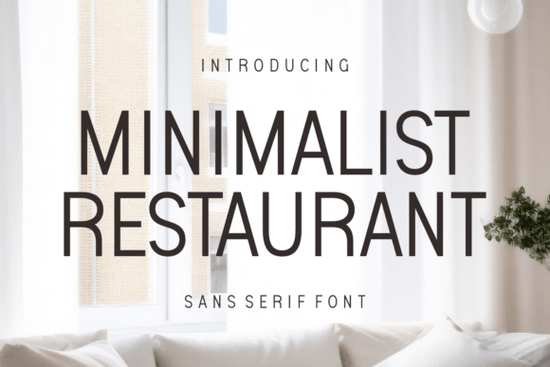
If you're looking for a clean, hand-drawn script font that works as well on a café menu as it does on a baby shower invitation, the Minimalist Restaurant Font is worth your time. It’s not overly ornate or fussy just soft curves, balanced spacing, and a quiet confidence that reads as both modern and timeless. Designers and small business owners especially appreciate how easily it adapts: pair it with a simple sans-serif like Records Font for contrast in branding, or layer it over textures for farmhouse labels and boutique packaging.
Who actually uses this font and why?
This isn’t just another decorative script. Its subtle vintage lean think mid-century stationery meets contemporary café signage makes it practical across real projects. Teachers use it for classroom posters and printable flashcards. Print-on-demand sellers apply it to mugs, tote bags, and greeting cards where legibility and charm matter equally. Crafters stitch its letterforms into embroidery patterns (included in the bundle), while Procreate users drop it into digital planners and social media templates.
What sets it apart from other handwritten fonts? It avoids the “too bouncy” or “too stiff” trap. Letters flow naturally without sacrificing readability at smaller sizes a detail that matters when designing food labels or Instagram story text. And unlike many script fonts, it includes thoughtful extras: monogram templates, dainty cactus frames, and themed doodle papers (crochet, mermaid, birthday cat) that extend its usefulness far beyond typography alone.
What’s inside the bundle beyond the font file
You get more than just OTF and TTF files. The package includes:
- Digital paper designs in baby, flower, and mermaid themes great for scrapbooking or printable wall art
- Skinny-weight versions optimized for mugs and narrow labels
- Embroidery-ready SVG and PNG files for craft machines
- Monogram sets and frame overlays (including those delicate cactus borders)
- Pre-made mockups showing how it looks on coffee cups, chalkboard signs, and kraft paper tags
That means if you’re building a cohesive brand kit say, for a new plant-based bakery or a kids’ yoga studio you’re not starting from scratch. You can mix and match elements without hunting for compatible assets elsewhere.
How it pairs with other fonts
Script fonts shine brightest when paired thoughtfully. For example, use Minimalist Restaurant Font for headlines or names, then switch to something clean and grounded like Objective Font for body text or pricing. That combo works especially well for restaurant menus, wedding programs, or product packaging where hierarchy and tone both matter. If you prefer a warmer, friendlier sans-serif alternative, Velora Font offers gentle rounded edges that echo the script’s softness without competing.
For contrast-driven layouts like Instagram carousels or workshop flyers try pairing it with Running Sundays Font. Its rhythmic, slightly uneven baseline gives energy without overwhelming the elegance of the script.
Real-world use cases that work
Here’s where this font consistently delivers:
- Cafés & bakeries: Menu boards, loyalty cards, and takeout bag stamps
- Educators: Printable name tags, behavior charts, and themed bulletin board letters
- Small makers: Farmhouse-style jam labels, handmade soap tags, and craft fair banners
- Bloggers & content creators: Quote graphics, Pinterest pins, and Canva templates
It’s also one of the few script fonts that holds up well in embroidery software the letterforms are designed with stitch density and thread flow in mind, so you won’t run into gaps or awkward joins.
For reference, you can see live examples and licensing details on Creative Fabrica: Minimalist Restaurant Font.
Before downloading: Check your software compatibility (it works in Adobe apps, Cricut Design Space, Silhouette Studio, and most free tools like Canva and Google Docs via upload). And remember since it’s a hand-lettered design, avoid stretching or distorting the letters; let them breathe at their intended weight and spacing.
Quick checklist before you start designing:
- Decide your primary use (print? digital? embroidery?) and pick the right file type
- Test readability at your smallest intended size especially for food labels or tiny tags
- Pair with a complementary sans-serif try Records Font or Objective Font first
- Flip through the included doodle papers one might already match your theme
- Save a version of your layout with outlines applied, just in case you share files with others
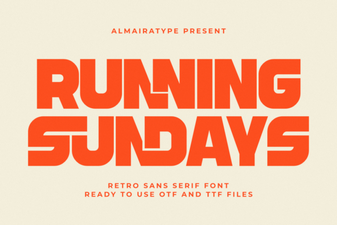 Running Sundays Font: a Playful, Dynamic Typeface for Runners
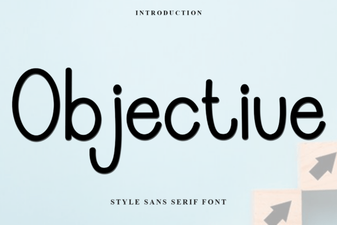 Objective Font: Clean, Versatile Design for Modern Projects
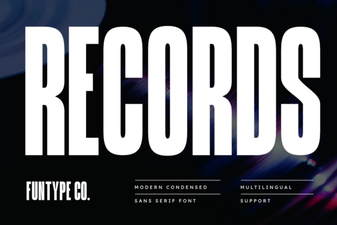 Records Font: Creative Typography for Design Projects
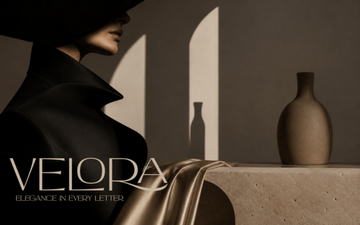 Velora Font: Elegant & Versatile Design Inspiration
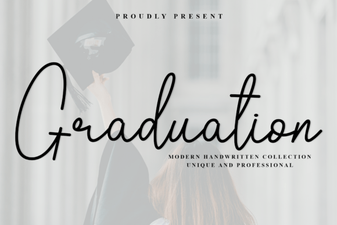 Elegant Graduation Fonts for Your Big Day
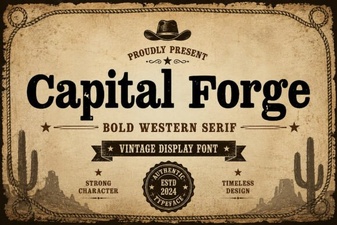 Capital Forge Font: Bold Design & Creative Projects