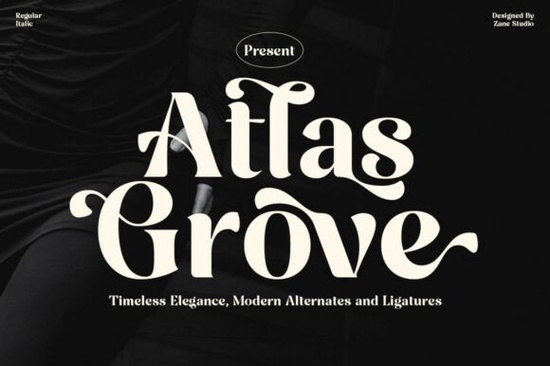
If you're looking for a serif font that feels both timeless and fresh something that works just as well on a boutique perfume label as it does in a high-end magazine spread Atlas Grove Font is worth your attention. It’s not an all-purpose workhorse like some sans-serifs, but rather a display typeface built for moments where typography needs to carry weight, intention, and quiet confidence. Think wedding invitations, artisanal product packaging, editorial headlines, or even small-batch apparel tags. Its high-contrast letterforms, sharp terminals, and subtle swashes give it presence without shouting.
What makes Atlas Grove different from other serif fonts?
Many serif fonts lean heavily into either tradition (like old-style Garamond revivals) or modern minimalism (think crisp Didone fonts with ultra-thin hairlines). Atlas Grove sits comfortably between those two poles. It has the structural clarity of a classic serif but with more expressive curves, intentional contrast, and graceful details that feel hand-informed, not algorithmic. The italic isn’t just a slanted version of the regular; it’s redrawn with its own rhythm and flow, making it genuinely useful for layered text or emphasis not just decorative flair.
The stylistic alternates and ligatures are thoughtfully designed, not just added as afterthoughts. You’ll find alternate lowercase a, g, and y forms, plus elegant connecting ligatures for common pairs like “fi”, “fl”, and “ff”. These aren’t gimmicks they’re tools that help you avoid visual repetition when setting longer headlines or short quotes. For print-on-demand sellers, that means more distinctive shop banners or greeting card designs without needing custom illustration.
Who is this font best suited for?
Small business owners launching a premium skincare line, handmade candle brand, or fine stationery shop will appreciate how Atlas Grove communicates care and craftsmanship at a glance. Its elegance reads as intentional not generic or AI-generated. Because it’s available in both Regular and Italic, you can build simple yet effective visual hierarchies: use Regular for the brand name, Italic for taglines or descriptors.
Designers working across print and digital will find it versatile enough for social media banners (especially Instagram carousels or Pinterest pins), PDF lookbooks, and physical packaging mockups. Just keep in mind it’s a display font so reserve it for sizes 24pt and up for best legibility. Pair it with a clean, neutral sans-serif (like Inter or Lato) for body copy, and you’ve got a balanced, professional pairing that doesn’t require deep typographic expertise.
Crafters and hobbyists using design tools like Canva, Cricut Design Space, or Silhouette Studio will benefit from its OpenType features if their software supports them. Even without accessing alternates, the base character set stands out clearly against textured backgrounds or watercolor paper scans. And if you’re exploring similar options, the Romelle Font offers a softer, more rounded serif energy, while Galvore Font leans into bold, architectural contrast good to know if Atlas Grove feels almost right, but not quite.
How to use Atlas Grove well (and avoid common pitfalls)
- Don’t overuse swashes they’re strongest when used sparingly, like on the first letter of a headline or in a monogram.
- Avoid tight tracking its high contrast and delicate serifs need breathing room. Try starting at 50–100 units of letter-spacing for headlines.
- Test print early especially on uncoated or textured stock. Its thin strokes can disappear or fill in if ink spreads slightly.
- Check licensing Creative Fabrica’s standard license covers personal and commercial use, including POD, but always verify if you plan to embed it in apps or sell editable templates.
If you’d like to see how it compares to other contemporary serif fonts in action, Atlas Grove Font is listed alongside dozens of curated display typefaces on Creative Fabrica many with real user previews and usage examples you can filter by category or style.
Before downloading: Open a blank document, type your brand name or a short phrase in Atlas Grove Regular and Italic side-by-side, then step back. Does it feel like your voice or does it still read like someone else’s? Fonts should support your message, not override it. If it clicks, great. If not, that’s okay too there’s no shortage of thoughtful serif options waiting to be tested.
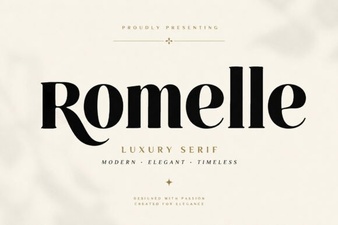 Romelle Font: Elegant & Versatile Design Choice
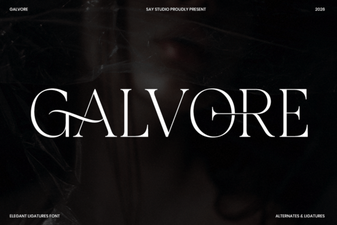 Galvore Font: Elegant & Versatile Design Tool
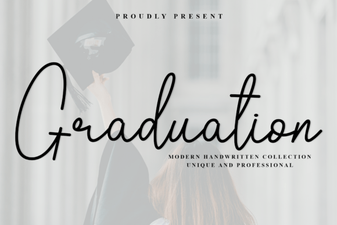 Elegant Graduation Fonts for Your Big Day
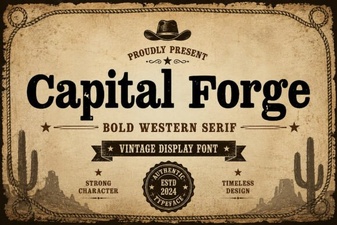 Capital Forge Font: Bold Design & Creative Projects
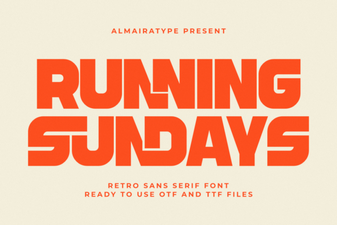 Running Sundays Font: a Playful, Dynamic Typeface for Runners
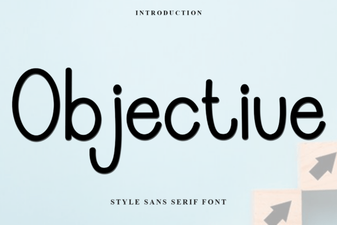 Objective Font: Clean, Versatile Design for Modern Projects